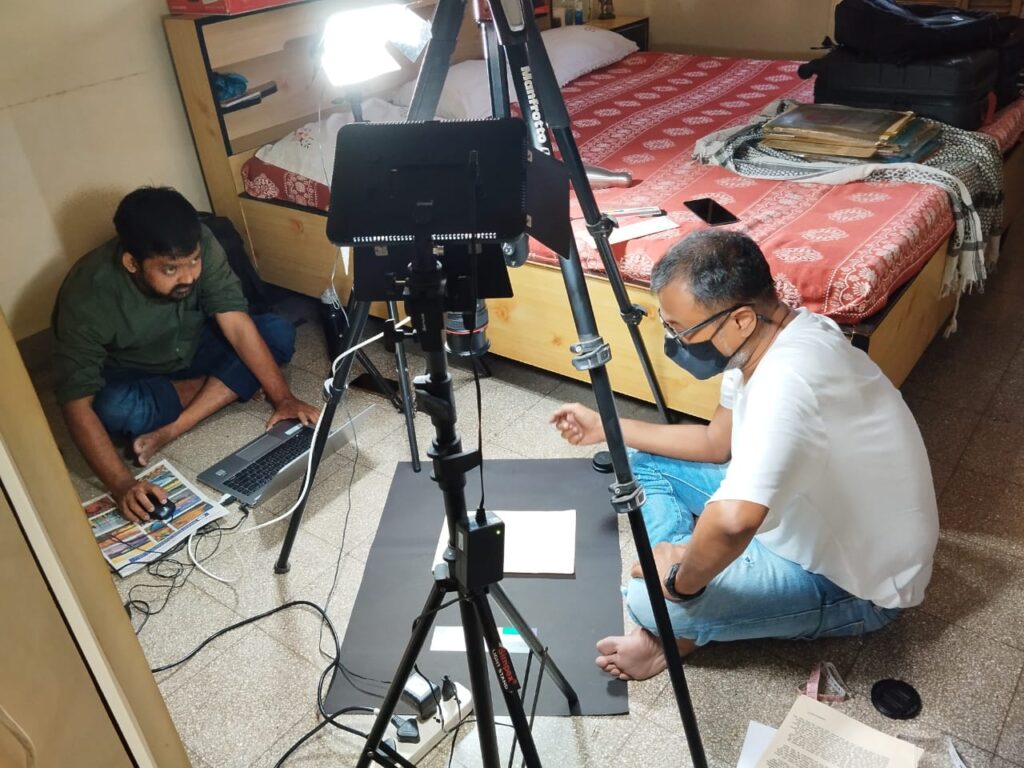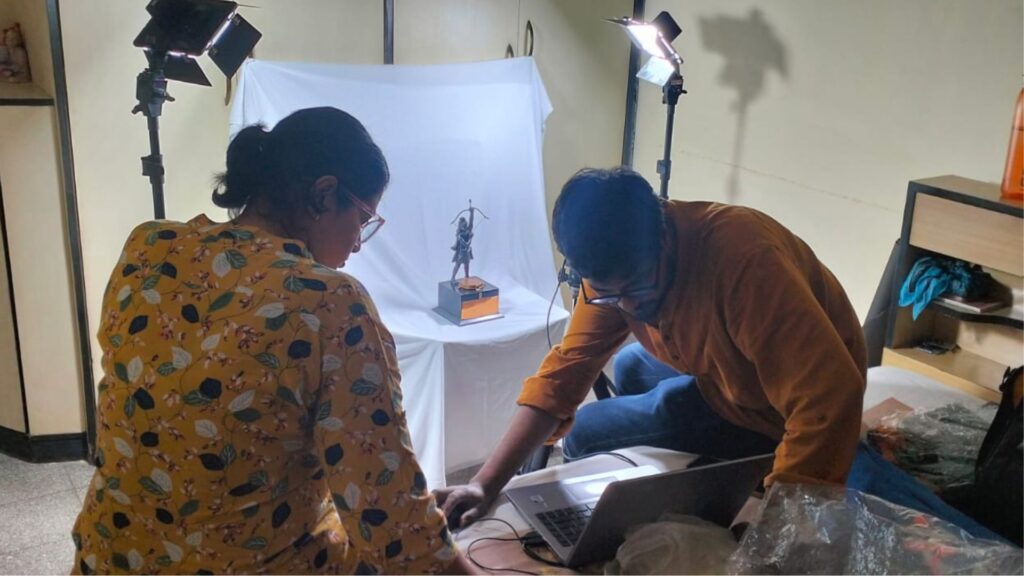
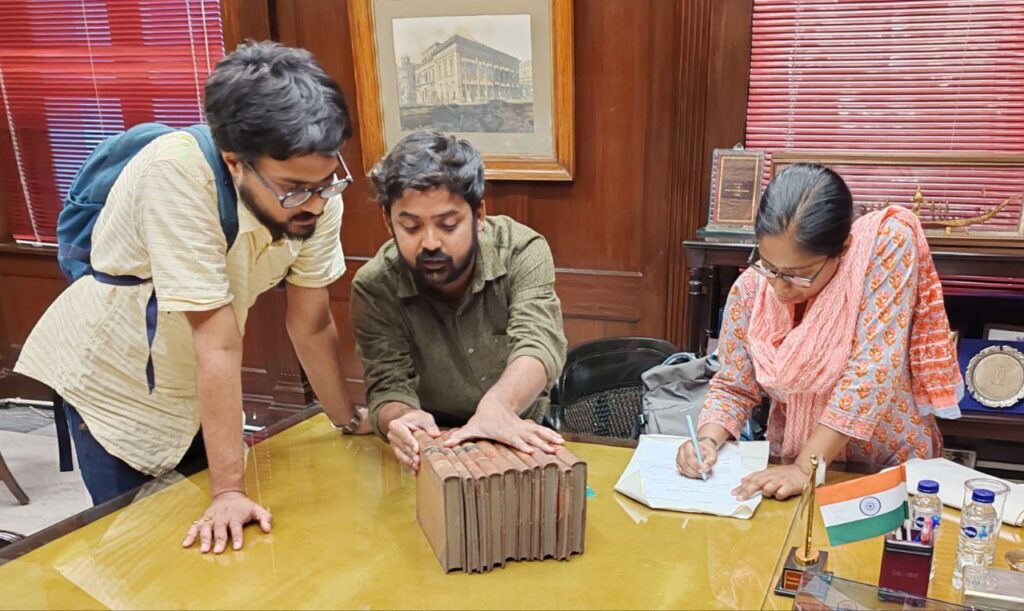
Ayan has played a pivotal role in a series of significant digitization projects that preserve and celebrate cultural, literary, and historical heritage. His expertise has been central to initiatives such as the digitization of Jibanananda Das’s personal papers, which provide deep insight into the poet’s life and creative process, and the preservation of critical business documents from the Bengal Chamber of Commerce & Industry. Ayan has also contributed to the creation of the Gurbux Singh Archive, capturing the legacy of the renowned Indian field hockey player, and has been instrumental in digitizing the Victoria Memorial Hall Collection, which safeguards a wide array of historical manuscripts and artifacts. Through his involvement in these projects, Ayan has demonstrated a strong commitment to preserving history and making it accessible to future generations, using innovative digital methods to safeguard valuable cultural materials.
Victoria Memorial Hall Collection
The School of Cultural Texts & Records has undertaken the monumental task of digitizing the entire paper collection of the Victoria Memorial Hall (VMH). This extensive collection includes scrolls, paintings, notebooks, photographs, historical manuscripts, court papers, almanacs, and calendars. The project commenced in 2014, with a dedicated group of young fellows applying their skills to create this vast digital archive. During the second phase of the project, Ayan joined the team, bringing his expertise in handling fragile manuscripts. He successfully digitized rare Persian manuscripts, calligraphy, and old photographs of Kolkata. During this period, the Cooch Behar Rajbari papers, an interesting series of files and documents, were also digitized. The Bengali manuscripts of Ishwar Chandra Vidyasagar, including his work Bhagvat Maha Puran, were digitized recently.
Over the past ten years, notable collections have included Abanindranath Tagore’s paintings, the Persian manuscript collection, legal documents, the Justice Hyde notebooks, and photographs from Bourne & Shepherd and Johnston & Hoffmann. Additionally, the Krishna Collection, comprising miniatures, Oriya manuscripts, paintings, and prints, has been digitized. The project is ongoing.Digitized images and detailed information are available on the ‘JATAN: Virtual Museum Builder’ portal. These digitized artifacts are accessible to the public. You can view the collection by visiting the following link:
https://museumsofindia.gov.in/repository/collection/ObjectType?museum=vmh_kol
Bengal Chamber of Commerce & Industry (BCCI) Papers
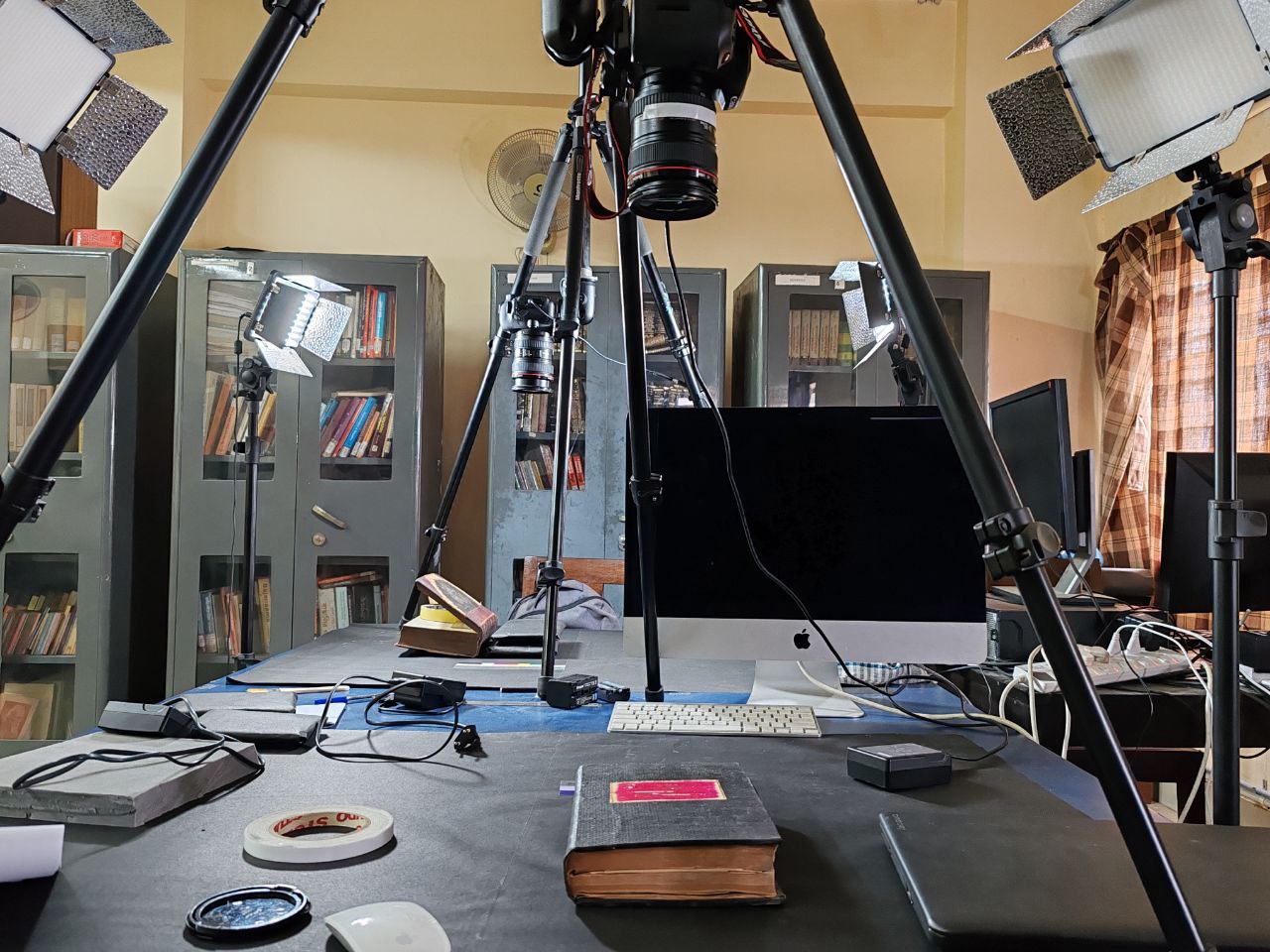
The Bengal Chamber of Commerce & Industry (BCCI), established in 1853, is one of India’s oldest and most respected business organizations. Over the decades, it has played a pivotal role in shaping the industrial and economic landscape of Bengal and India, acting as a platform for collaboration between businesses, industry leaders, and policymakers. The Chamber’s activities span a broad spectrum, addressing critical issues related to infrastructure, IT, healthcare, education, and sustainability through conferences, seminars, and policy advocacy. In an effort to preserve its historical records, the School of Cultural Texts and Records at Jadavpur University, with funding from the Endangered Archives Programme (EAP 1525), undertook the digitization of significant volumes from the BCCI. This project has successfully digitized 32 volumes, including reports from the Bengal Chamber of Commerce and Industry (1954–1963), the Indian Tea Association (1919–1934), and the Indian Jute Mill Association (1906–1911). These volumes, which total over 14,071 images, cover diverse topics such as finance, taxation, law, industry, transport, and marine affairs. Ayan played a key role in this project, leading his colleagues in the complex task of digitizing large pages and charts, ensuring the successful completion of the digitization effort. The digitized records can now be accessed through the official archive link: https://eap.bl.uk/project/EAP1525.
Jibanananda Das Papers
Jibanananda Das Papers project focuses on the digitization and study of the works of Jibanananda Das, one of the most prominent Bengali poets and writers. In addition to his scholarly works, Das maintained a daily diary that he referred to as Literary Notes. These notebooks are invaluable for understanding the poet’s thoughts and creative processes, as his diary entries often informed the characters and plots in his literary works. At times, these characters would even influence his personal reflections, creating an interplay between his daily life and his fictional world.
Das’s diary contains deeply personal and sensitive insights, such as his ten reasons for depression, potential ways to commit suicide, and his thoughts on his relationship with his wife, Labanya. These writings offer a rare glimpse into his private struggles and have become crucial documents for further research into his life and work.
The School of Cultural Texts and Records at Jadavpur University has digitized approximately 100 of Jibanananda Das’s notebooks, which include poetry, novels, diaries, and literary notes. Ayan was involved in this project from its inception. While the digitization process is now complete, the project is moving into its second phase, which aims to transcribe all the manuscripts and create a digital variorum edition, making these materials more accessible to scholars and readers.
Gurbux Singh Archive
The School of Cultural Texts and Records is working on a significant initiative to create a digital archive of Gurbux Singh’s personal collection. Singh, born on February 11, 1936, is an iconic figure in Indian sports, having won gold at the 1964 Summer Olympics, bronze at the 1968 Olympics, and gold at the 1966 Asian Games. He was the joint captain of the Indian team at the 1968 Olympics and later coached the national team at the 1976 Olympics. Singh’s immense contributions to Indian field hockey were recognized with the Arjuna Award in 1966. This digital archive aims to capture and preserve the essence of Singh’s storied career. The collection includes extensive newspaper coverage of his sporting accomplishments, his own articles and reflections, photographs from major tournaments, films of key events, and an array of personal artifacts such as medals, plaques, and memorabilia that represent his legacy. To date, over 5,500 files have been digitized, providing a comprehensive record of Singh’s contributions to Indian sports.
Ayan has been an essential part of this project from its earliest stages. His involvement included not only curating the materials but also managing the digitization of some of the most critical items in the collection. Ayan’s technical expertise was key to digitizing fragile and valuable objects such as Singh’s awards, boots, plaques, spectacles, and films of his key matches. His hands-on approach ensured that these items were carefully preserved for posterity.The creation of this digital archive is not just a tribute to Gurbux Singh’s career but also a vital resource for future generations. It holds significant value for sports historians, researchers, and aspiring athletes, offering deep insights into the golden era of Indian field hockey and Singh’s role in it. By making these materials accessible online, the archive provides a platform for educating the public about the history of Indian sports.