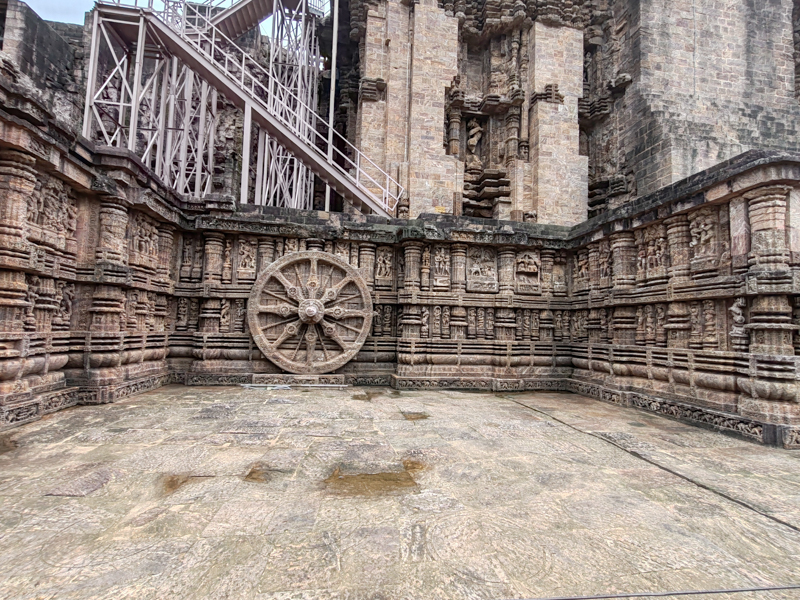
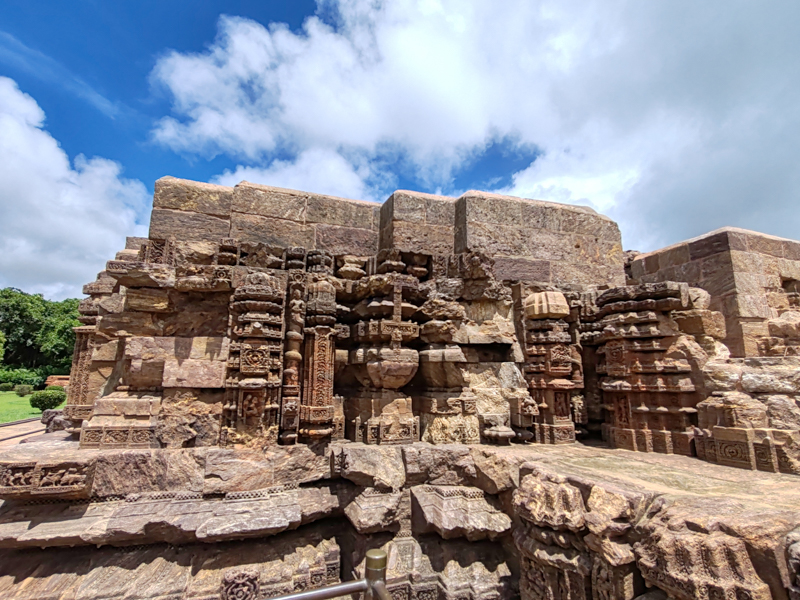
Digital Konark: Preserving the Sun Temple’s Architectural Heritage
A Digital Humanities Project: A Journey Through the Reconstruction and Visualization of Konark’s Timeless Architecture
Ayan Chatterjee
About the Project
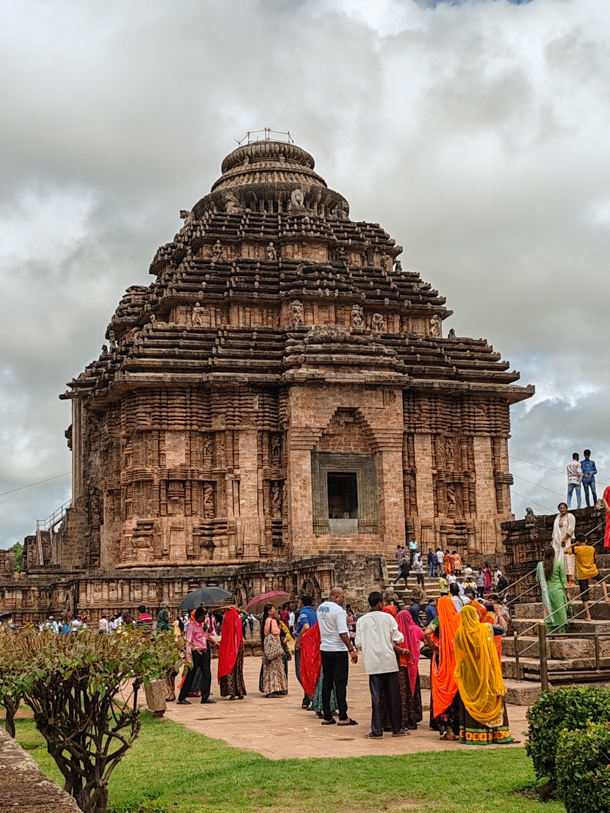
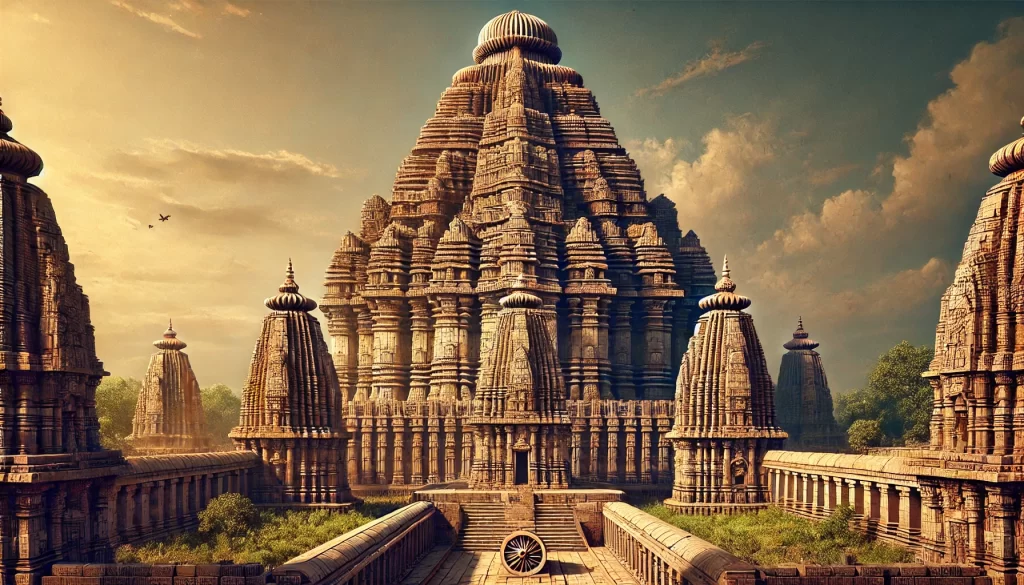
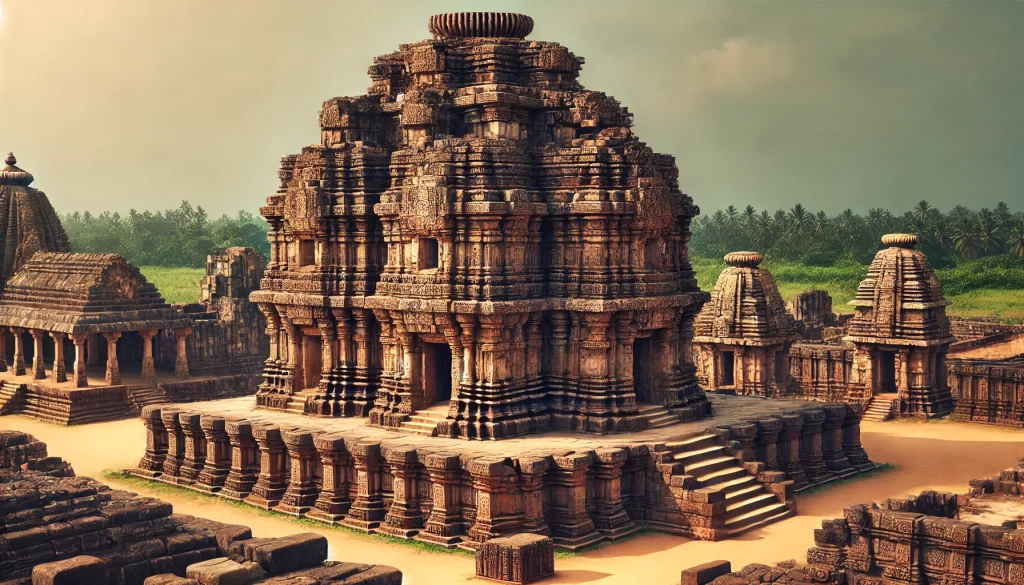
“Digital Konark: Preserving the Sun Temple’s Architectural Heritage” is an ambitious Digital Humanities project that aims to digitally reconstruct and visualize the architectural grandeur of the Konark Sun Temple, a UNESCO World Heritage site. This initiative serves as a pilot project to explore how we can re-experience the history of Konark using Digital Humanities tools and AI-generated images. Through advanced technologies, we seek to reconstruct the temple’s damaged architecture, including the missing Deul (main sanctum), which once stood as a symbol of architectural brilliance.
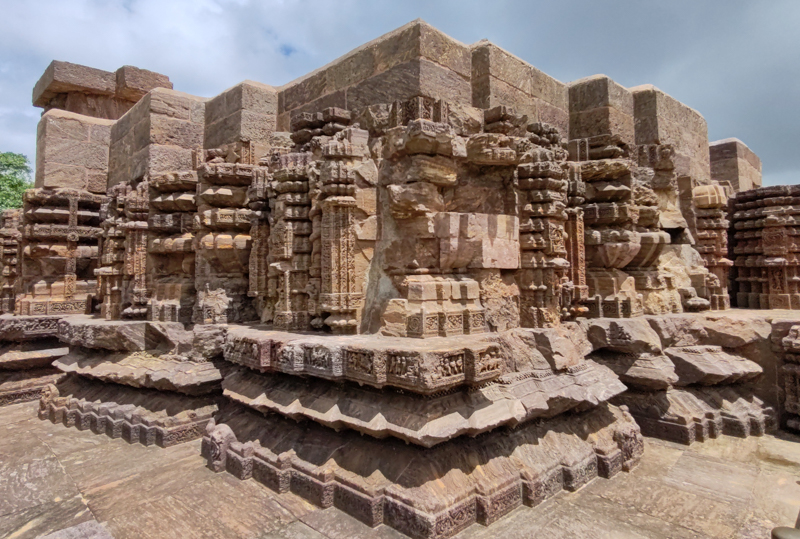
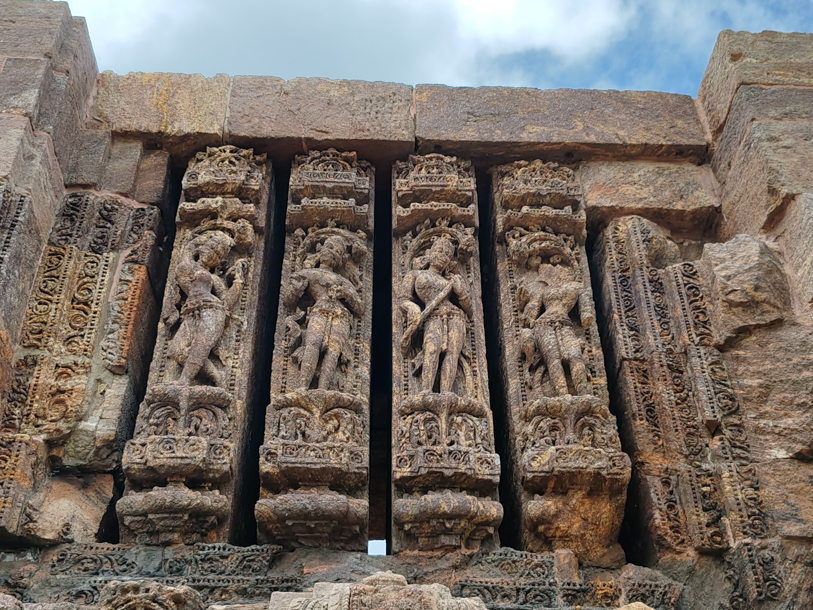
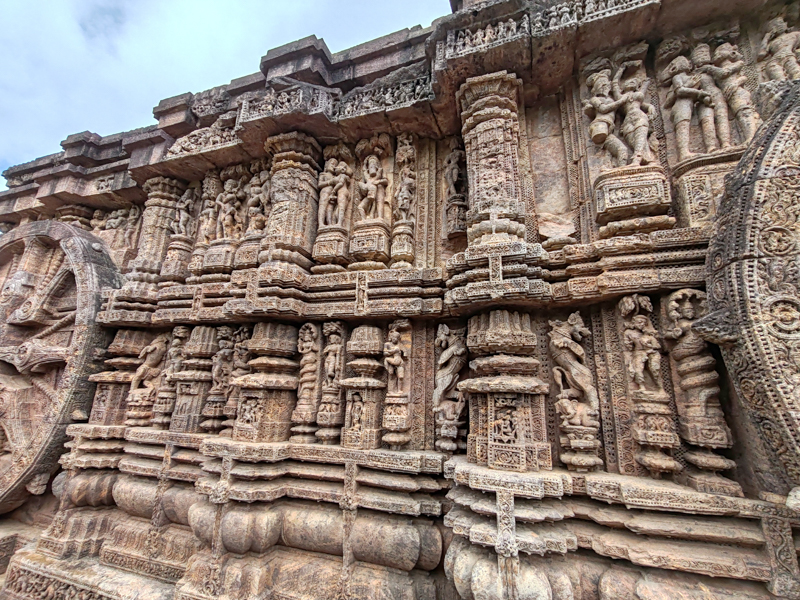
Using data visualization techniques, this project aims to create a framework that showcases how historical data can be represented through Digital Humanities. The reconstructed elements will provide an immersive and educational experience for users, allowing them to interact with and understand the lost architectural components in an engaging digital format. The detailed images and architectural insights are derived from original photography captured on July 20, 2024, ensuring accuracy and authenticity in the visual data.
This project brings Konark’s rich history and intricate carvings to life, offering both scholars and cultural enthusiasts a way to explore and understand the temple’s legacy. Ultimately, “Digital Konark” aims to set a precedent in the field of cultural heritage preservation.
The Konark Sun Temple, a 13th-century architectural masterpiece, stands as a testament to the artistic and engineering prowess of medieval India. Situated in Konark, Odisha, this temple is dedicated to the Sun God, Surya, and is renowned for its majestic chariot-shaped design. Constructed during the reign of King Narasimhadeva I of the Eastern Ganga Dynasty, the temple’s grandeur and intricate carvings reflect the zenith of Kalinga architecture.
Map of Sun Temple
Architectural Design and Features
The Konark Sun Temple is renowned for its unique architectural design, featuring a colossal chariot with twelve pairs of wheels, each adorned with intricate carvings. The temple’s design not only serves as a functional space for worship but also reflects astronomical alignments, with its main sanctum aligned to the east to capture the sunrise.
The sculptural richness of the temple includes depictions of Hindu deities, mythological scenes, and daily life, providing insights into the socio-cultural fabric of the time. The engineering techniques employed in the construction, including the use of interlocking stones and precise alignment, showcase the advanced knowledge of ancient Indian builders.
Layout and Structure
Chariot Design: The temple resembles a massive stone chariot with twelve pairs of wheels and seven horses, symbolizing the Sun God’s celestial vehicle.
Sanctum: The central sanctum housed the deity of the Sun God, originally topped by a towering spire.
Mandapa: Pillared halls leading to the sanctum, decorated with carvings, served as spaces for worship and rituals.
Architectural Elements
Wheels: Twelve pairs of intricately carved stone wheels represent the Sun’s rays and cosmic cycles.
Horses: Seven stone horses, in dynamic poses, symbolize the days of the week and the Sun’s journey.
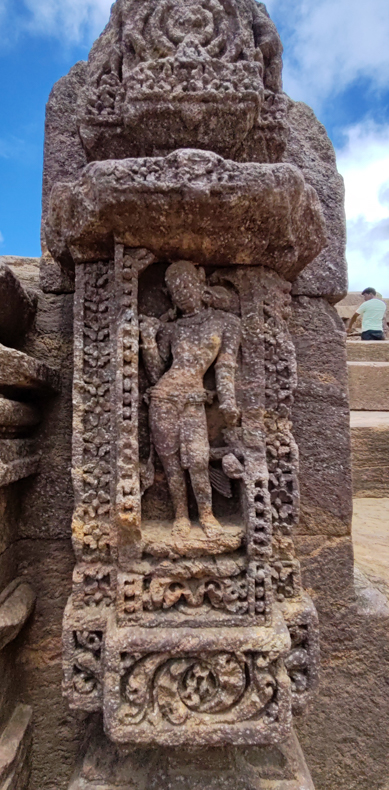
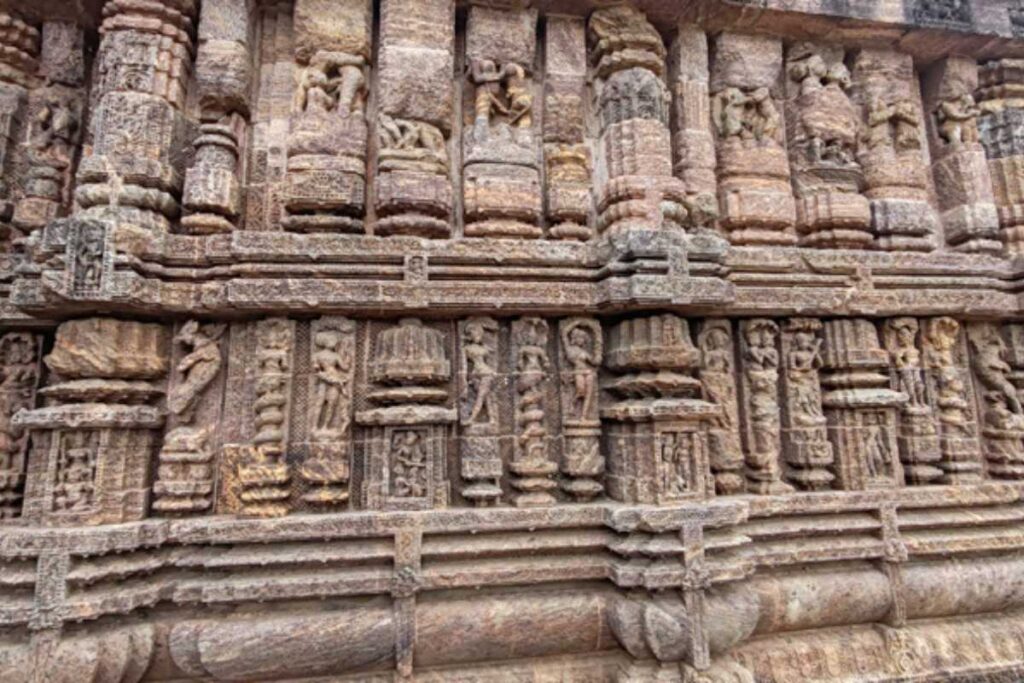
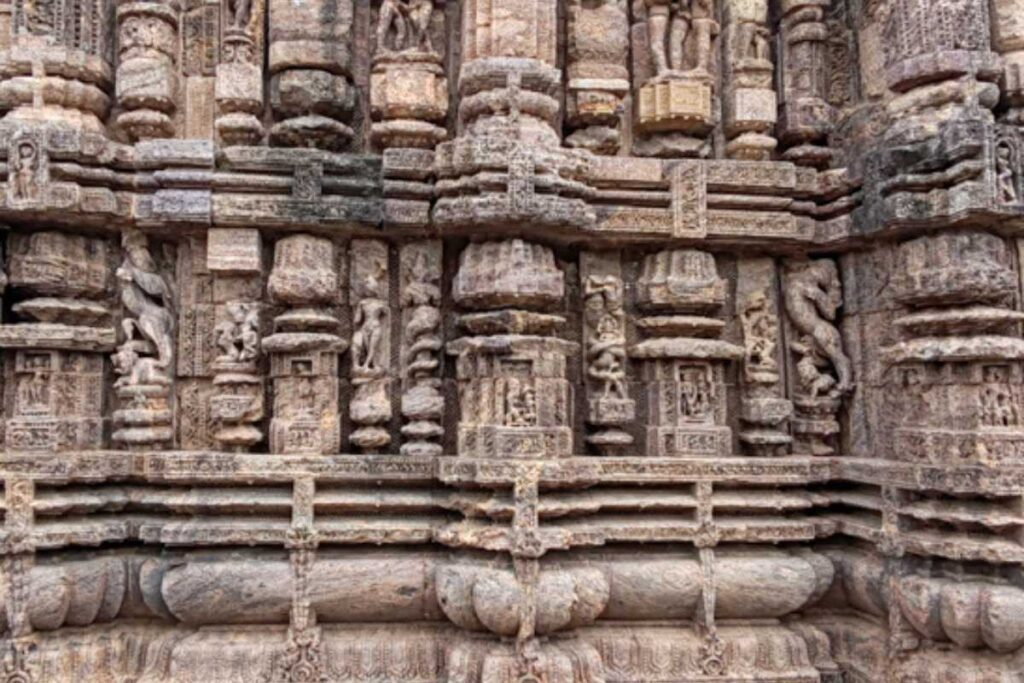
Carvings: Detailed sculptures depict Hindu deities, mythological scenes, and daily life activities.
Engineering Techniques
Materials: Built from locally sourced sandstone, finely carved and fitted without mortar.
Alignment: The temple’s sanctum aligns with the Sun’s path, with equinox sunlight illuminating the deity’s idol.
Techniques: Features interlocking stones and precise geometric alignments, reflecting advanced knowledge.
The temple originally consisted of two primary structures:
The Deul (Sanctum or Vimana): This was the main tower, which housed the deity and soared up to 229 feet (70 meters).
The Jagamohana (Audience Hall): This is a large, intricately designed structure with beautiful carvings, which still stands today.
Loss of the Deul (Sanctum)
The Deul of the Konark temple is no longer standing, and its collapse is attributed to a combination of natural and human-induced factors. Some key reasons often cited include:
Structural Weakness: The temple was made of heavy stones, and there may have been design flaws that made the structure unstable over time.
Natural Factors: Coastal Odisha experiences cyclones, salt-laden winds, and environmental stress, which could have eroded the stone structure. Earthquakes and other seismic activities are also believed to have contributed to its degradation.
Invasions and Looting: The temple was attacked several times during medieval history. In particular, the invasion by Muslim ruler Kalapahad in the 16th century is often blamed for the partial destruction of the temple.
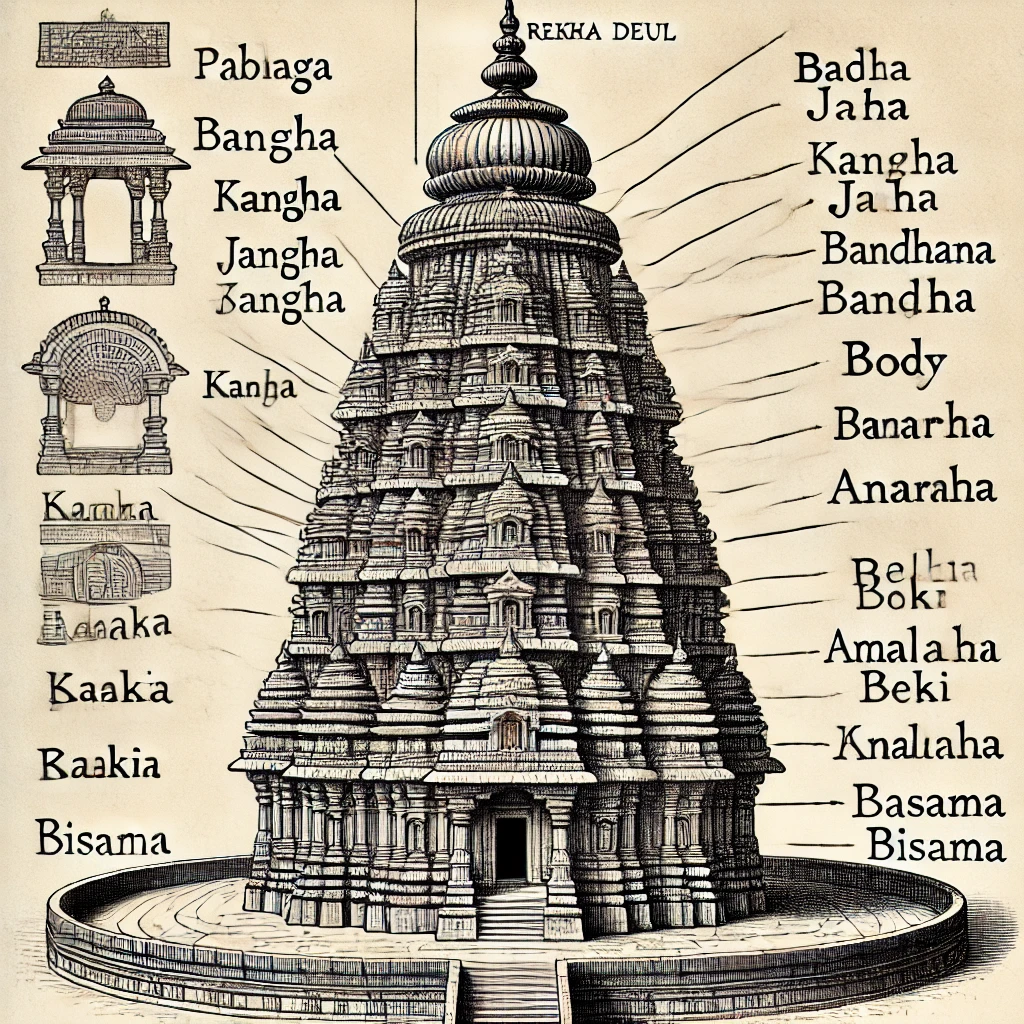
Here are two AI-generatedimages representing the Deul:
The first image depicts the temple in its original form, with the Deul (sanctum tower) intact.
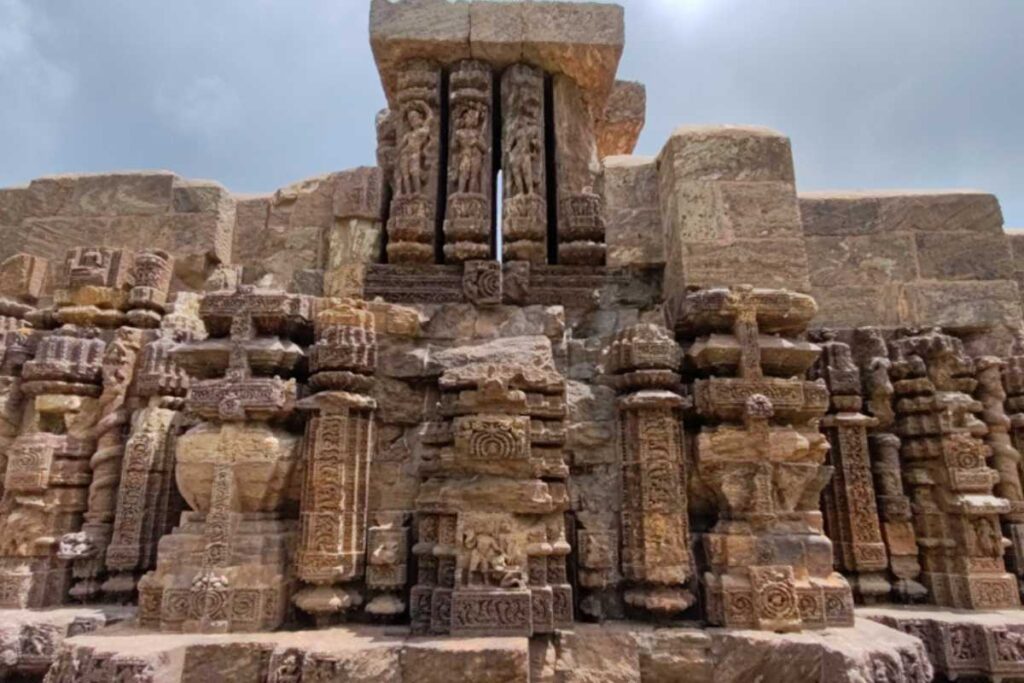
The second image shows the temple in its present-day state, with the Deul missing and only the Jagamohana standing.
These visuals provide a comparison between the temple’s former grandeur and its current condition.
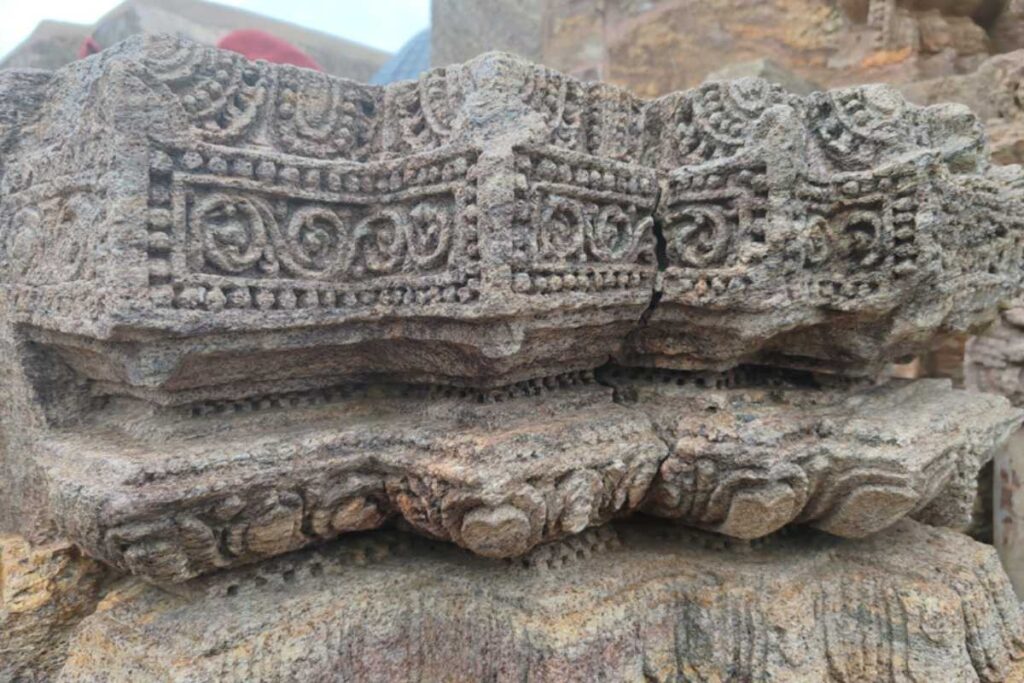
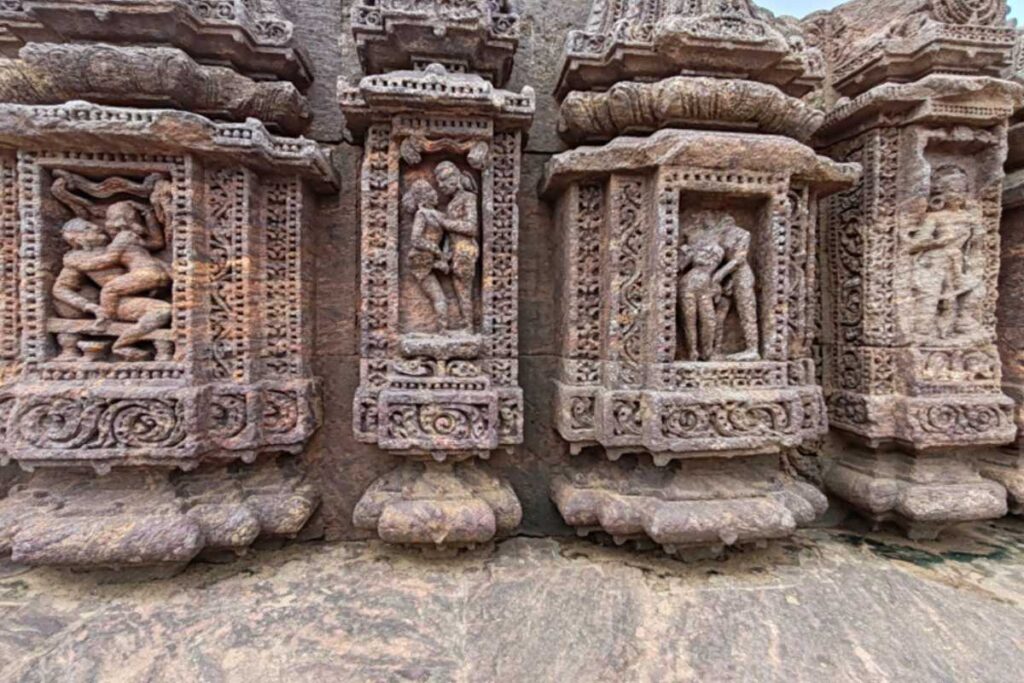
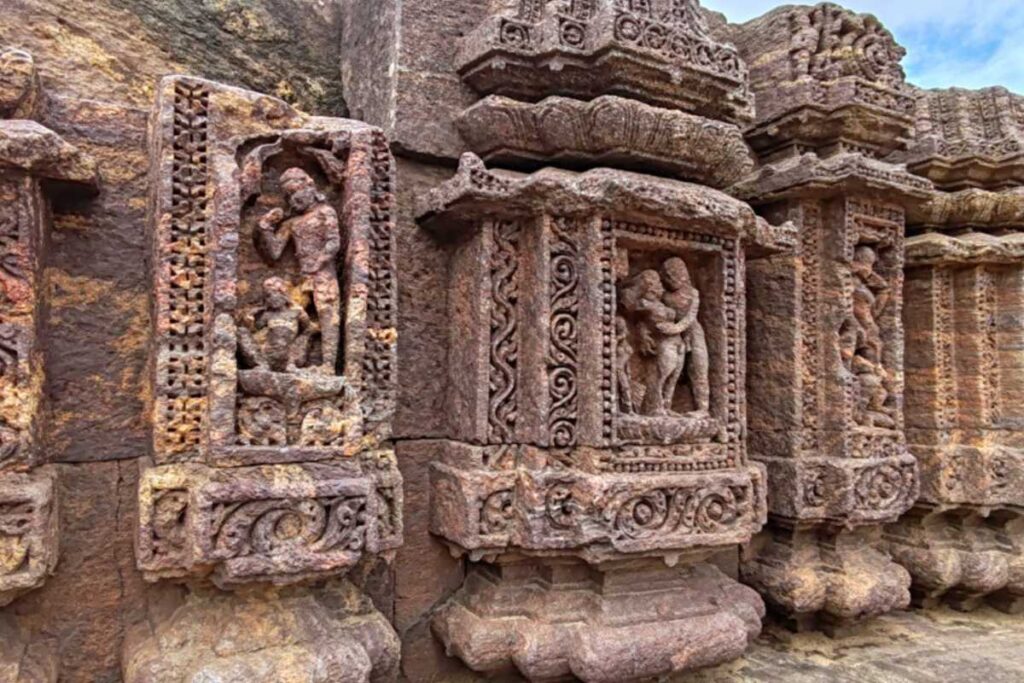
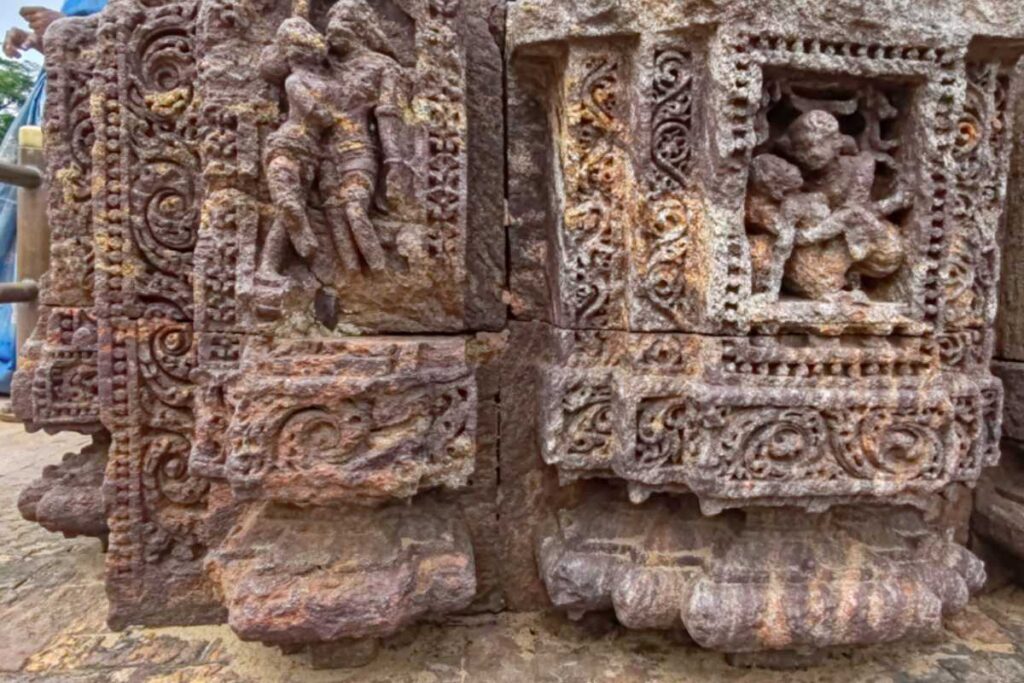
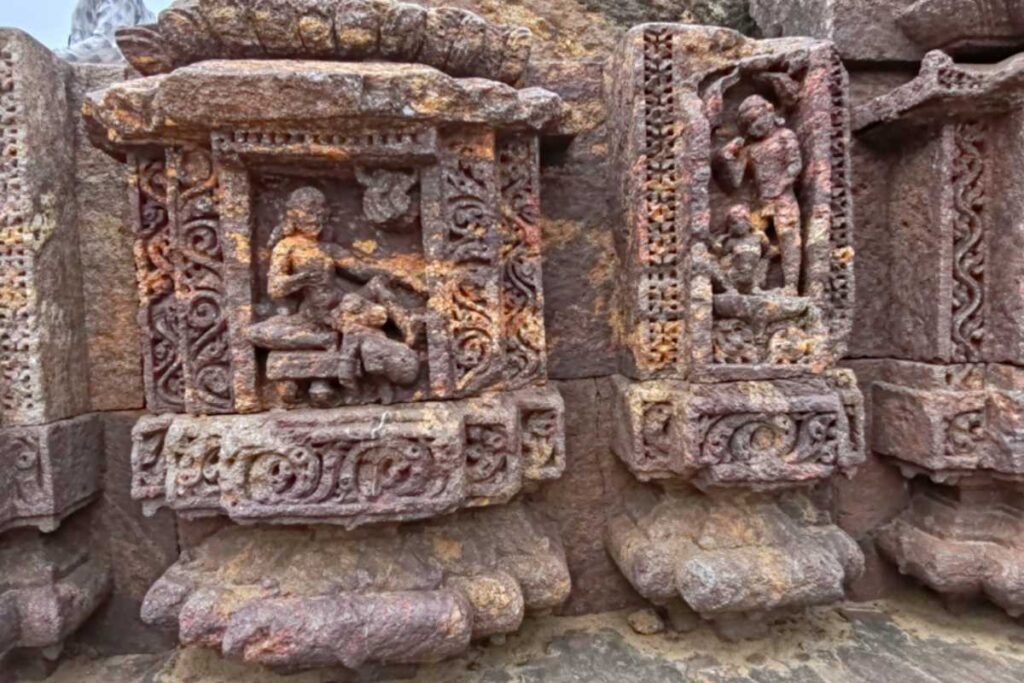
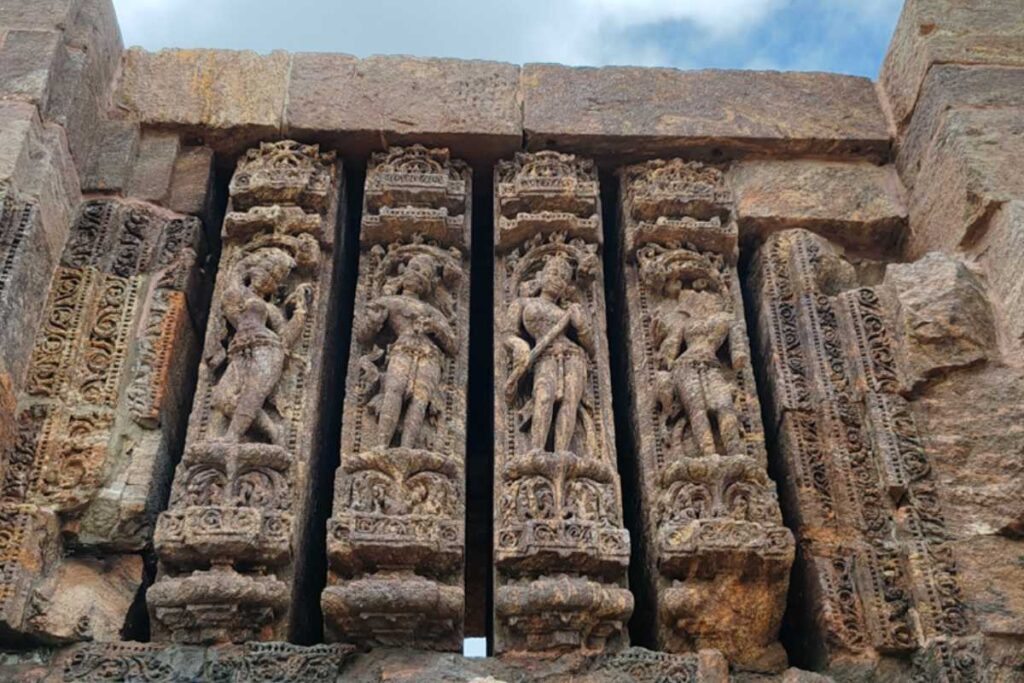
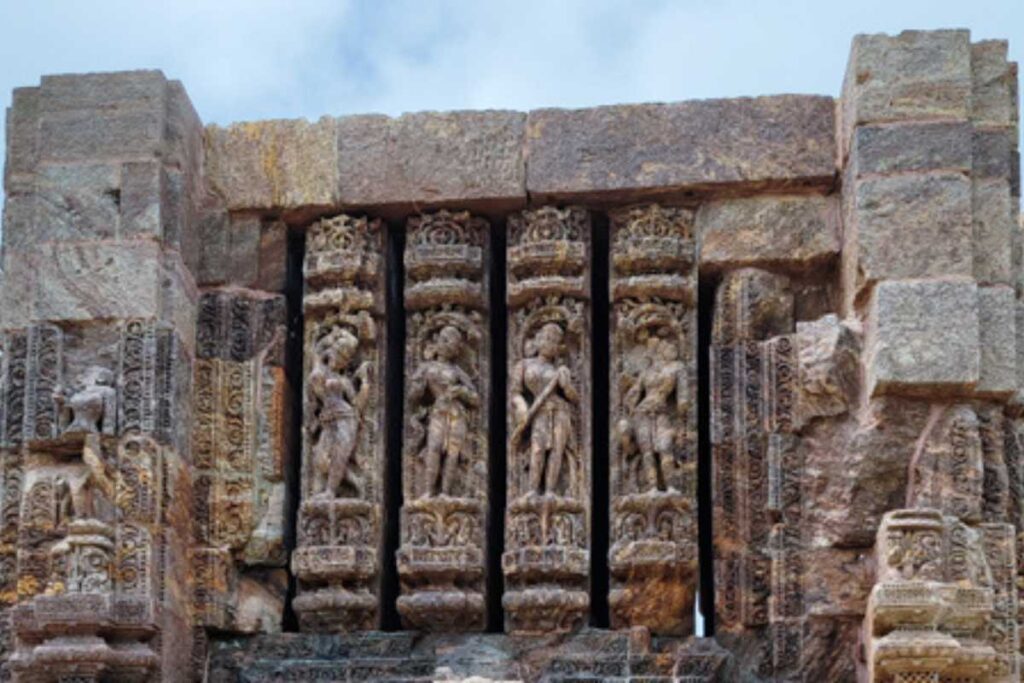
The panel art
Key features of Konark’s panel art include:
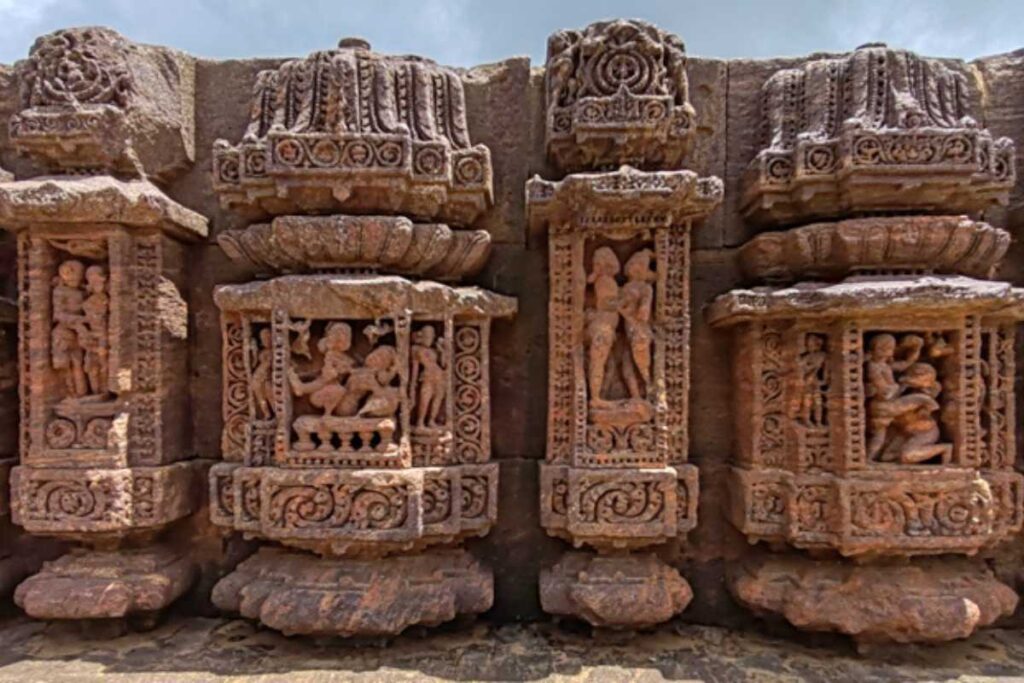
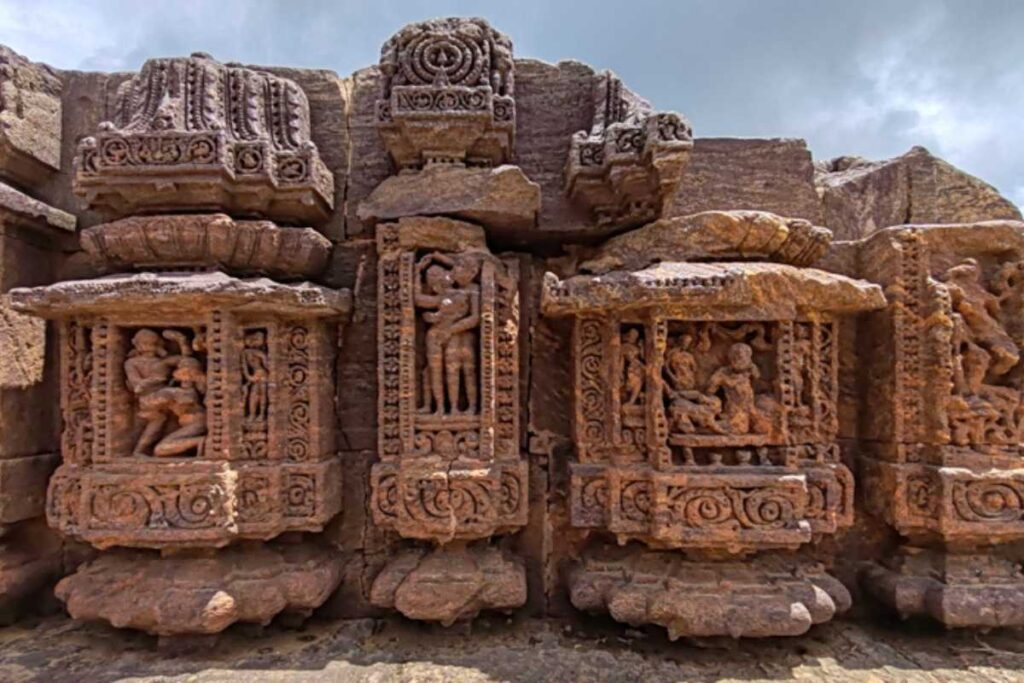
Mythological Narratives: Many panels depict scenes from Hindu mythology, including episodes from the Ramayana and Mahabharata. Figures of gods, celestial beings, and mythological creatures are intricately carved in dynamic poses.
Erotic Sculptures: Like other temples of the Kalinga architecture, Konark is famous for its erotic sculptures. These panels represent various aspects of sensuality and love, often symbolizing the union of the human soul with the divine.
Social and Cultural Life: Several panels illustrate the daily life of the people during the period, including hunting scenes, royal processions, musicians, dancers, and activities of commoners, showcasing the rich cultural practices of medieval Odisha.
Chariot Wheel Motifs: One of the most iconic features of the temple is the series of massive stone wheels that form part of the temple structure, symbolizing the chariot of the Sun God. These wheels are adorned with intricate carvings and are not only architectural elements but also sun dials.
Animal and Nature Motifs: The panels also include beautifully detailed carvings of animals such as elephants, horses, and lions, as well as flora and fauna, illustrating the harmony between human civilization and nature.
Konark’s panel art is renowned for its precision, artistry, and cultural significance, making it a UNESCO World Heritage Site and a key attraction for art historians and tourists alike.
The panel art of the Konark Sun Temple
The panel art of the Konark Sun Temple
The panel art of the Konark Sun Temple
The panel art of the Konark Sun Temple
The panel art of the Konark Sun Temple
The panel art of the Konark Sun Temple
The panel art of the Konark Sun Temple
The panel art of the Konark Sun Temple
The panel art of the Konark Sun Temple
The panel art of the Konark Sun Temple
The panel art of the Konark Sun Temple
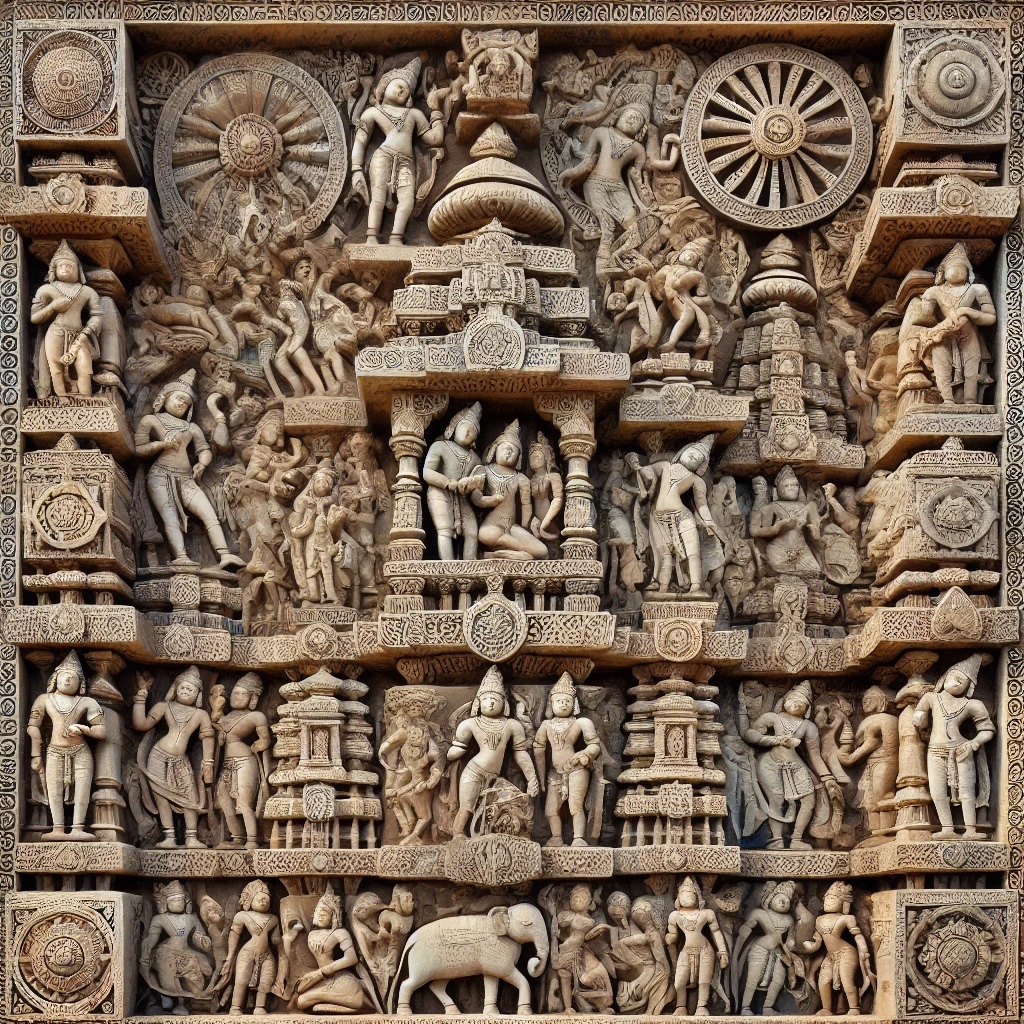
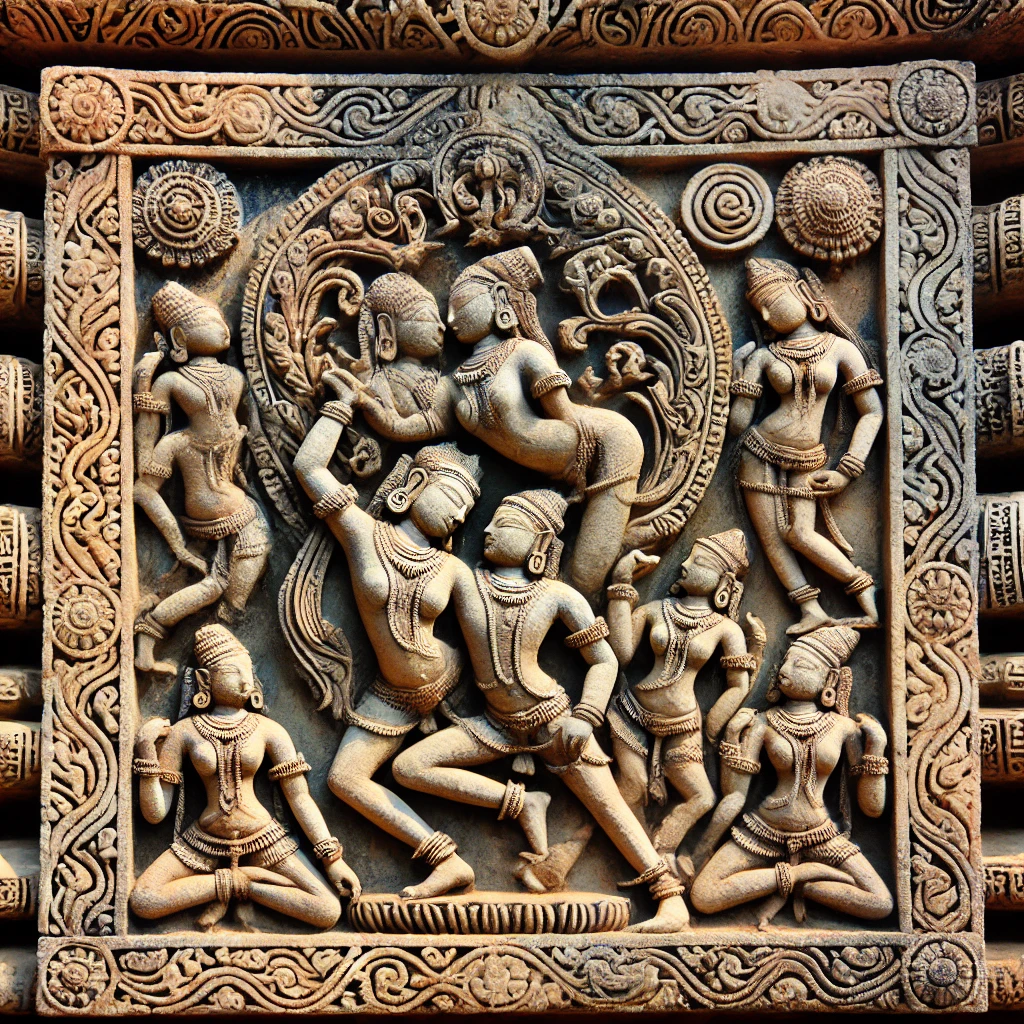
The illustrations below are AI-generated representations of the panel art from the Konark Sun Temple. These images capture the essence of the temple’s rich artistic heritage, including its mythological narratives, intricate erotic sculptures, depictions of social and cultural life, and the iconic chariot wheel motifs. Many panels have been destroyed over time, so high-end digital photography or 3D digitization can help create a digital repository of this art. Here, we use some imaginary illustrations to create an essence of the panel art. The original images are displayed above.
Several temples in India exhibit architectural styles and features similar to those of the Konark Sun Temple. These structures often reflect the grandeur and intricacy of Indian temple architecture, with elaborate carvings, chariot-like designs, and astronomical alignments. Here are some notable examples visualized through a story map.
Konark is a major tourist destination in India, famed for its UNESCO World Heritage-listed Sun Temple. Visitors flock to this architectural wonder to admire its intricate carvings and chariot-like design. Beyond the temple, Konark offers attractions like the serene Konark Beach and the annual Dance Festival, which showcases traditional Indian dance forms. The town also provides a cultural experience through local markets and Odia cuisine, making it a vibrant spot for travelers.
The economic impact of temple tourism
The economic impact of temple tourism in India is profound, with major temples like Konark, Meenakshi, and Brihadeeswarar acting as hubs for both cultural and spiritual tourism. These temples not only serve as religious and architectural landmarks but also as critical economic drivers for their regions, influencing local economies through tourism-related businesses, employment, and infrastructure development. The dataset provides valuable insights into how different temples contribute to their local economies based on visitor demographics, cultural significance, and historical value.
This juxtaposition compares two key moments in the history of the Konark Sun Temple. The first contrasts images from the year 1890 in the British Library with those from the year 2024 by Ayan Chatterjee, showcasing changes over time. The second compares the temple’s entrance, which was closed for reconstruction around 1912, with images of the same entrance in 2024, offering a glimpse into its architectural evolution.
Conclusion
Digital Konark: Preserving the Sun Temple’s Architectural Heritage is an ongoing project dedicated to exploring and showcasing the power of Digital Humanities in cultural preservation. While significant progress has been made in digitally reconstructing and visualizing the Konark Sun Temple, the aim is to further enhance this project by incorporating additional Digital Humanities tools to make it more versatile and interactive for researchers and the general public. This initiative has the potential to be a milestone in storytelling for any architectural Digital Humanities project, demonstrating how technology can be used to bring historical narratives to life.
In the future, I plan to integrate augmented reality (AR), virtual reality (VR), and 3D digitization techniques to create an even more immersive experience. By building a comprehensive architectural digital archive, “Digital Konark” exemplifies the crucial role Digital Humanities can play in heritage preservation. To fully realize this vision, funding and support are needed to continue this vital work, ensuring that cultural heritage is not only preserved but also made accessible and engaging for future generations.
References 1. Thomas Donaldson, ‘Konark’, Oxford 2. গুরুদাস সরকার, ‘মন্দিরের কথা ২’ 3. শ্রী নির্ম্মলকুমার বসু, ‘উড়িষ্যার মন্দির’